
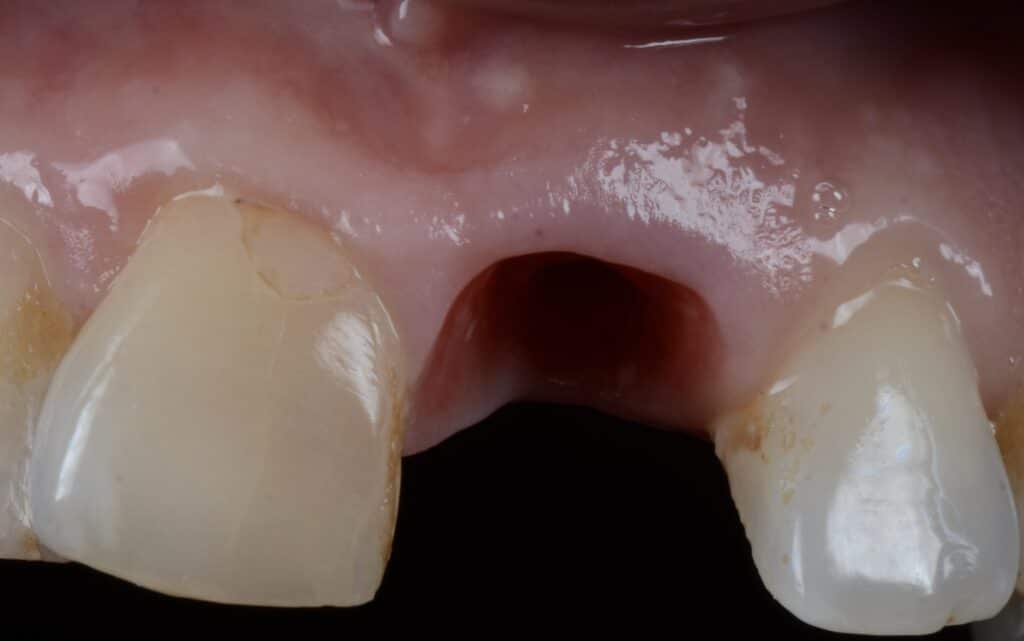
Implants are artificial tooth roots made of titanium and shaped like natural tooth roots, which are placed into the jawbone through a minor surgical procedure.
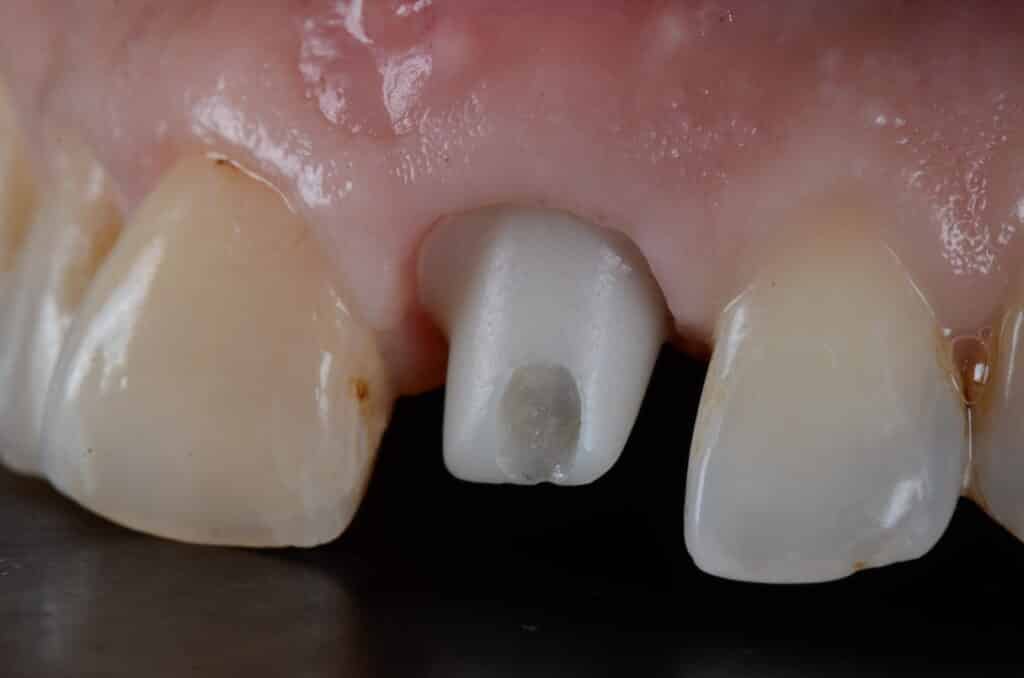
Titanium is a biocompatible material. It forms a special bond with the bone, allowing it to integrate at the implantation site at the cellular level. Once this integration is complete (2–6 months), the process of preparing the prosthesis—known as the “superstructure”—begins. Today, implants are indisputably the best alternative for replacing missing natural teeth. Implants can be used to replace a single missing tooth, several missing teeth, or in cases of complete edentulism.
For an implant to be placed, the jawbone in the target area must have sufficient height and width to accommodate the implant. If this is not the case, necessary procedures (such as sinus lifts, bone grafts, and the use of membranes, etc.) may be performed to optimize the area. The quality of the existing bone is one of the factors affecting the success of the implant. In younger patients, bone development must be complete. There is no upper age limit for adults. Implants can be placed in anyone in good general health. Oral hygiene is also particularly important in implant procedures. Therefore, the patient’s attention to oral care plays a major role in the success of the implant. The procedure is performed under local or general anesthesia, depending on the preference of the dentist and the patient. As with any surgical procedure, some discomfort is to be expected. Anesthesia and sedation will almost completely eliminate any discomfort during the surgery. After the surgery, there may be pain similar to that experienced after a tooth extraction.
After the procedure, a waiting period of approximately 2 to 6 months is required for the implant to fuse with the jawbone (osseointegration), although this varies depending on the individual case. If necessary, a temporary prosthesis may be used during this period. Subsequently, implant-supported prostheses are placed over the course of several sessions, depending on the specifics of the case.
Advantages of Implant Treatment
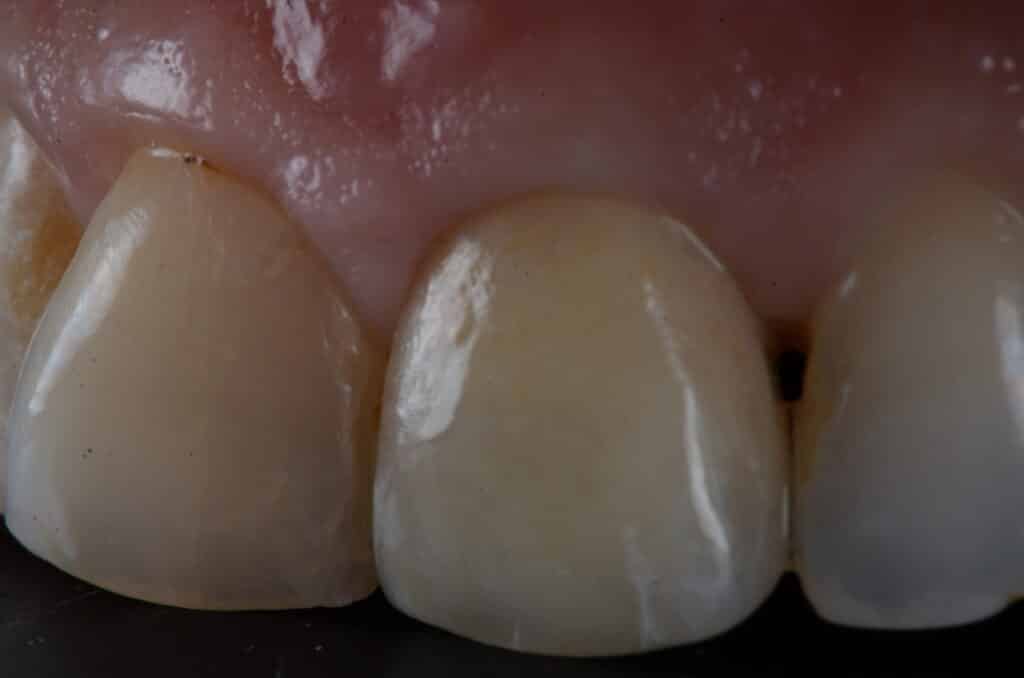
Implant treatment provides a more aesthetic and natural appearance. The teeth remain stable. Complete, partial, or fixed implant-supported prostheses are more comfortable and provide maximum retention. Over time, bone loss occurs in areas where teeth have been extracted, causing the bone to gradually thin. This can also lead to changes in the surrounding soft tissues. Implant placement prevents this bone loss. Improved chewing function supports a more balanced diet and better nutrition. As a result, stomach problems caused by inadequate chewing are relieved. A natural and aesthetic appearance can help increase a person’s self-confidence.
More Details →implant-supported dentures
Implants provide solutions to significant problems not only in the treatment of missing teeth but also in the field of prosthodontics. In cases where there are no teeth or only a few teeth remaining in the mouth, fixed or removable implant-supported prostheses are fabricated for patients with sufficient bone levels. Implant-supported prostheses can increase chewing strength and enable comfortable speech. Implant-supported dentures can improve chewing ability and facilitate comfortable speech. Patients who have lost all their teeth prior to implant treatment While patients may have difficulty using removable dentures, implant support now makes it easier to use all types of dentures—whether removable or fixed—and provides patients with permanent solutions.
More Details →Tooth Extraction
As dentists, our main goal is to preserve your natural teeth and keep them healthy for as long as possible. However, tooth extraction may sometimes be necessary for various reasons, such as trauma, impacted wisdom teeth, or orthodontic treatment. Regardless of the reason, tooth extraction is not a procedure performed routinely. Before an extraction, anesthesia is administered to the treatment area. Once the anesthesia has taken effect and the extraction is complete, you will receive aftercare instructions.
More Details →