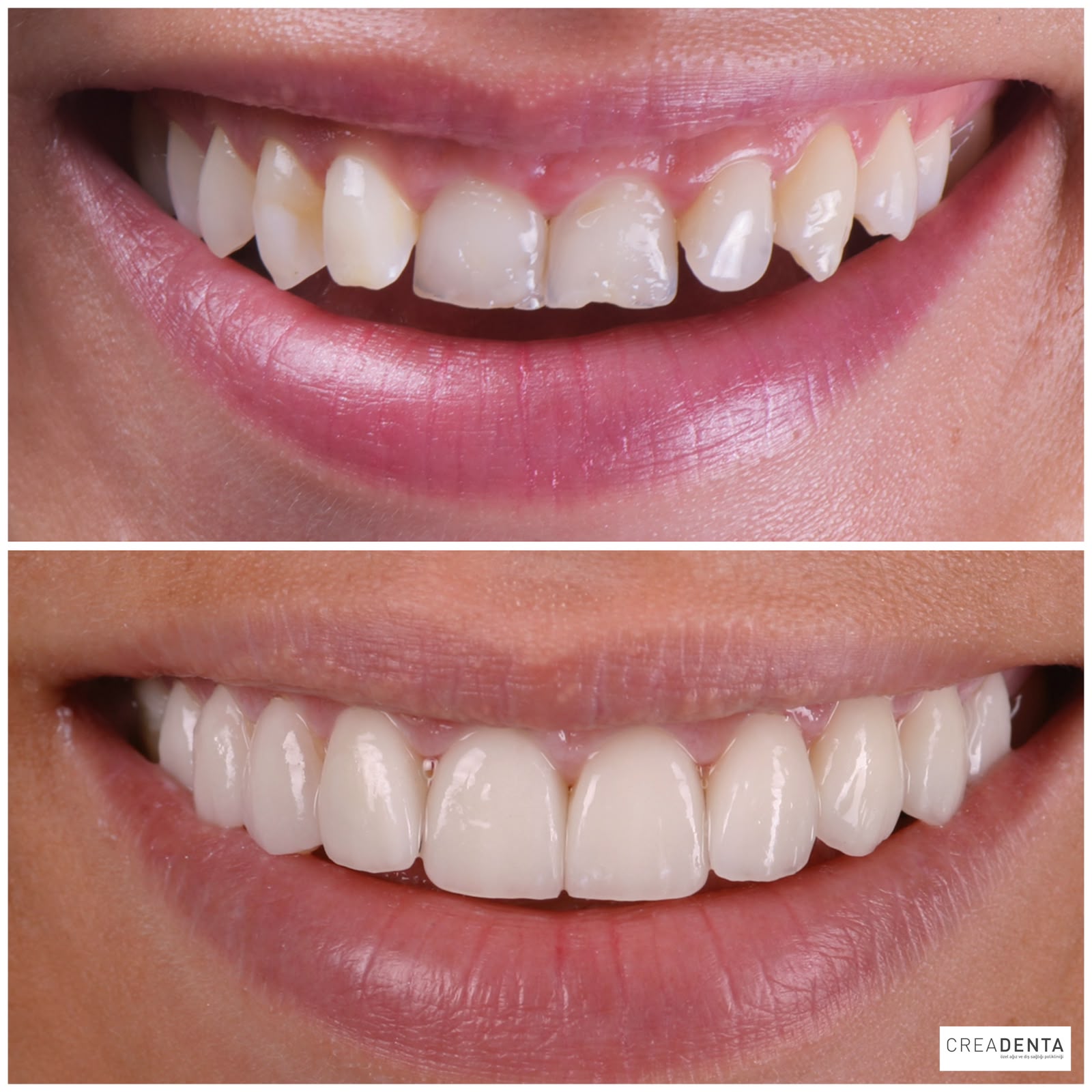
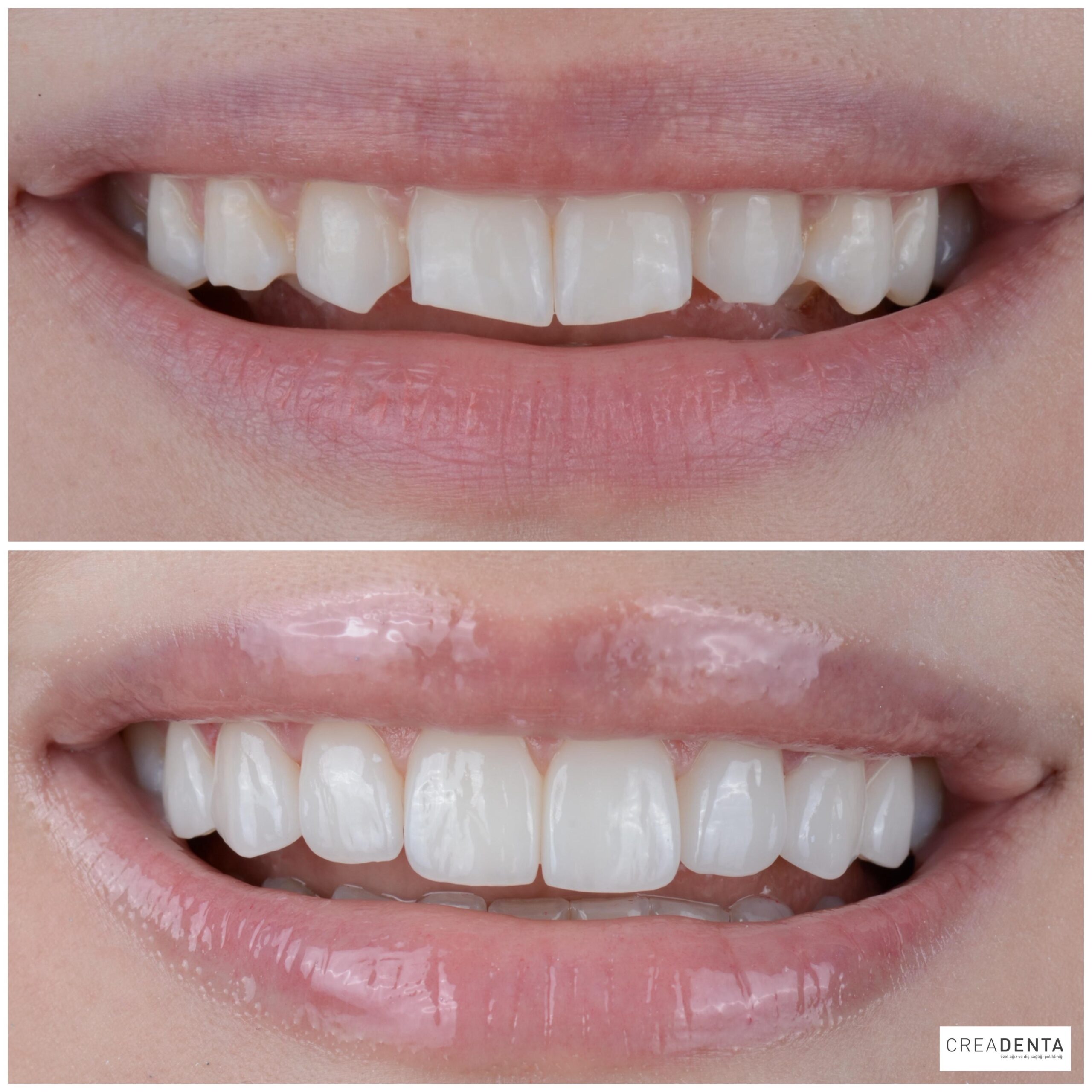
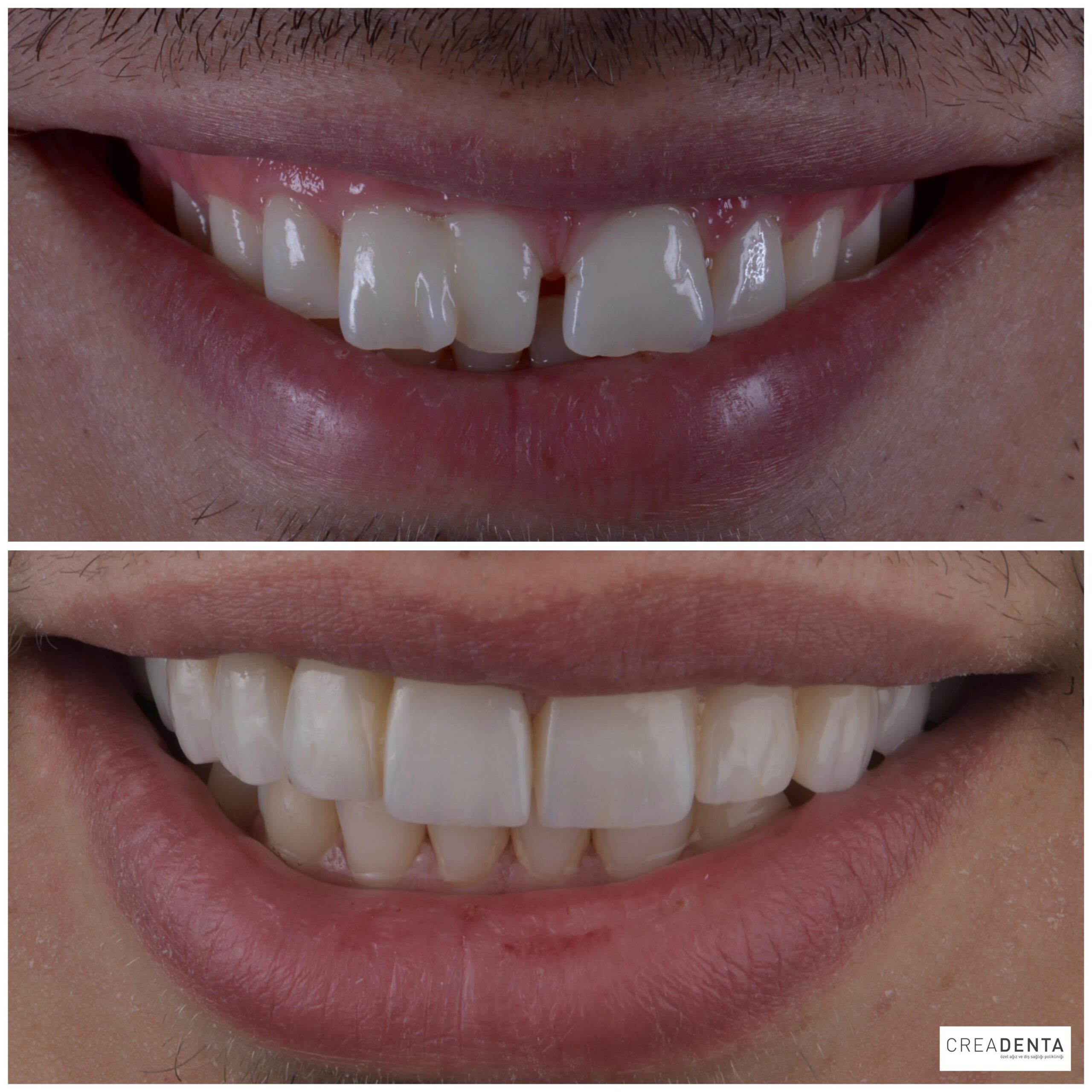
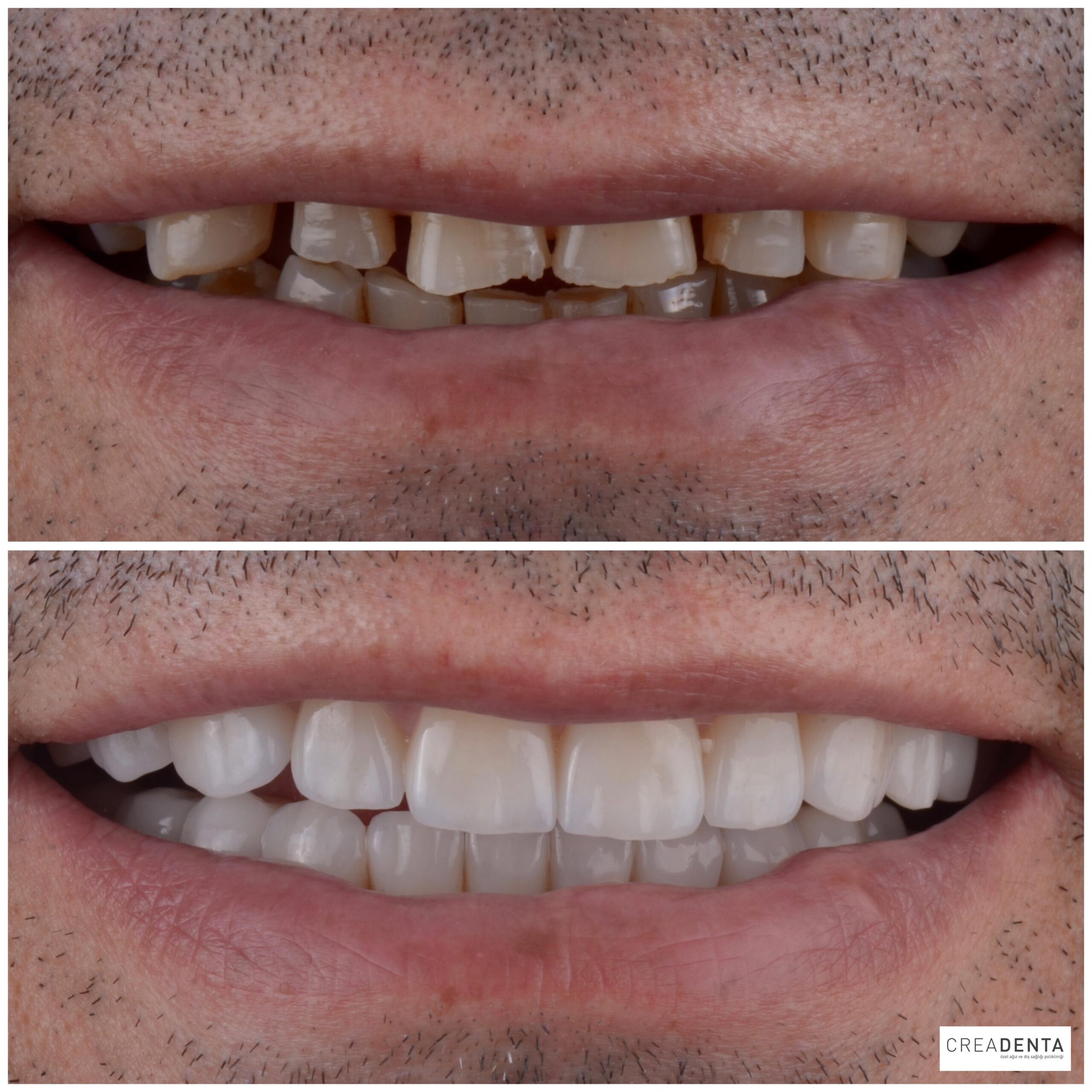
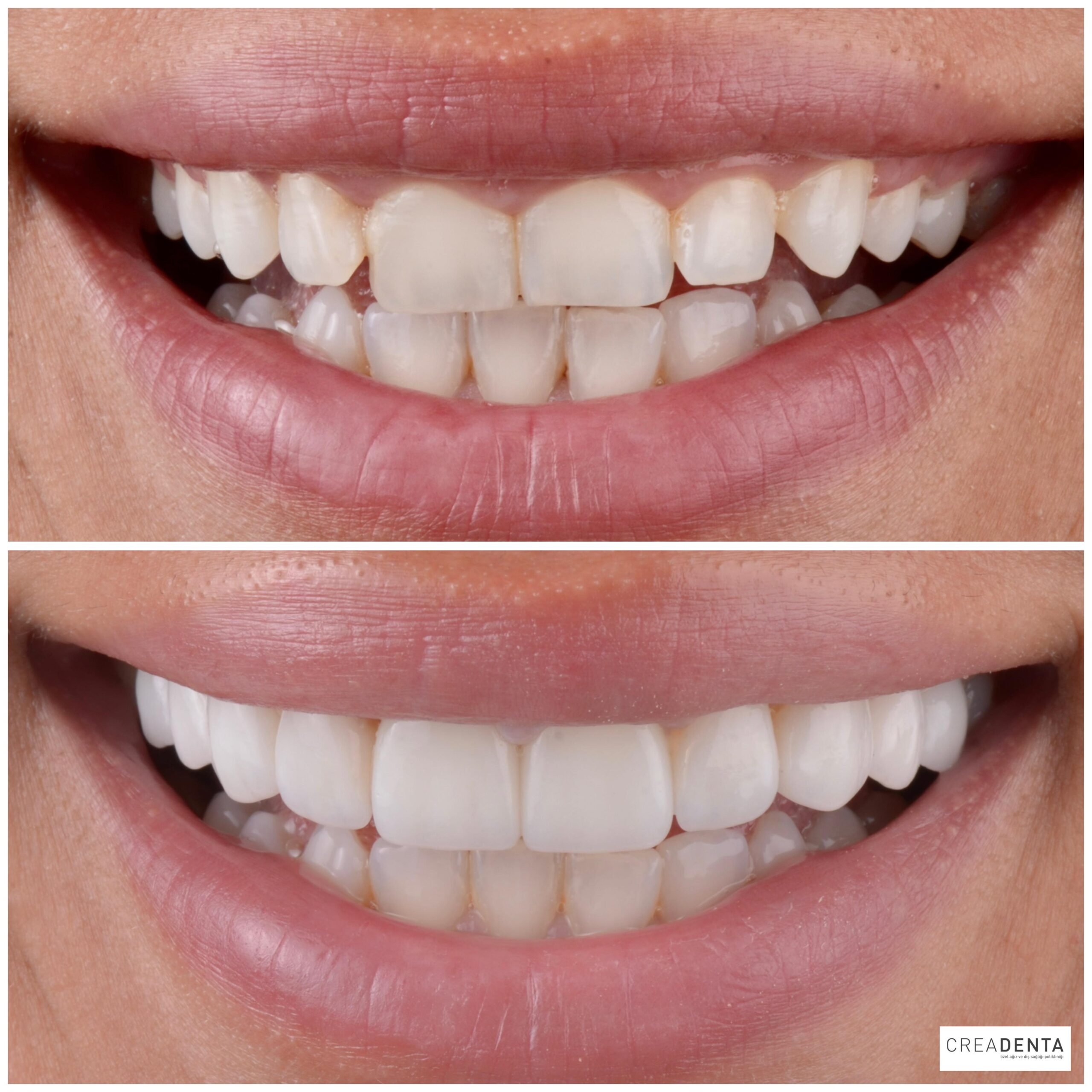
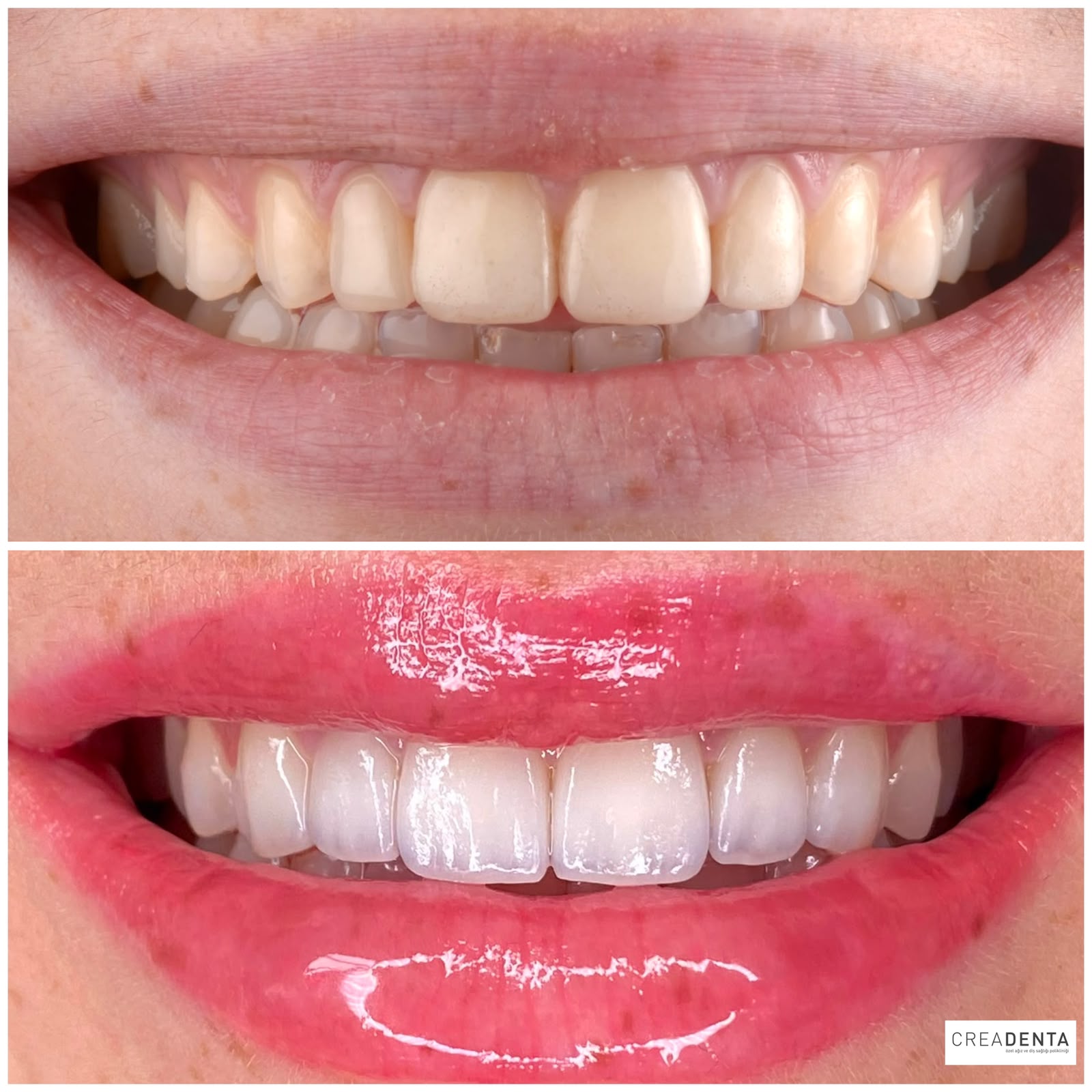
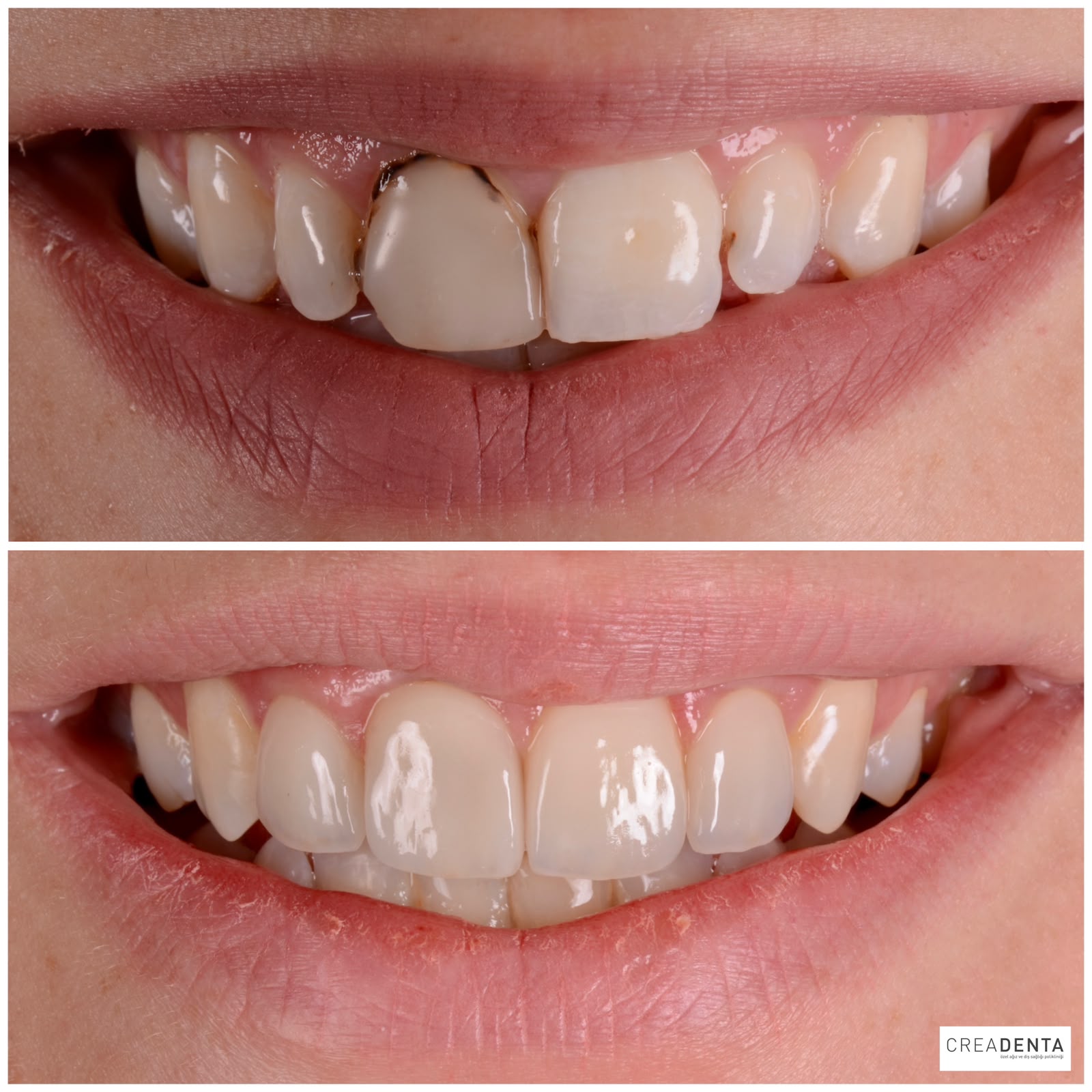
Getting a porcelain laminate in Istanbul is one of the most effective and popular ways to achieve a flawless, natural-looking smile. At Creadenta, we specialize in designing custom veneers that perfectly fit your facial structure and aesthetic goals. If you are looking for top-tier dental expertise combined with world-class patient care in Turkey, our experienced team is here to guide you through every step of your smile makeover.
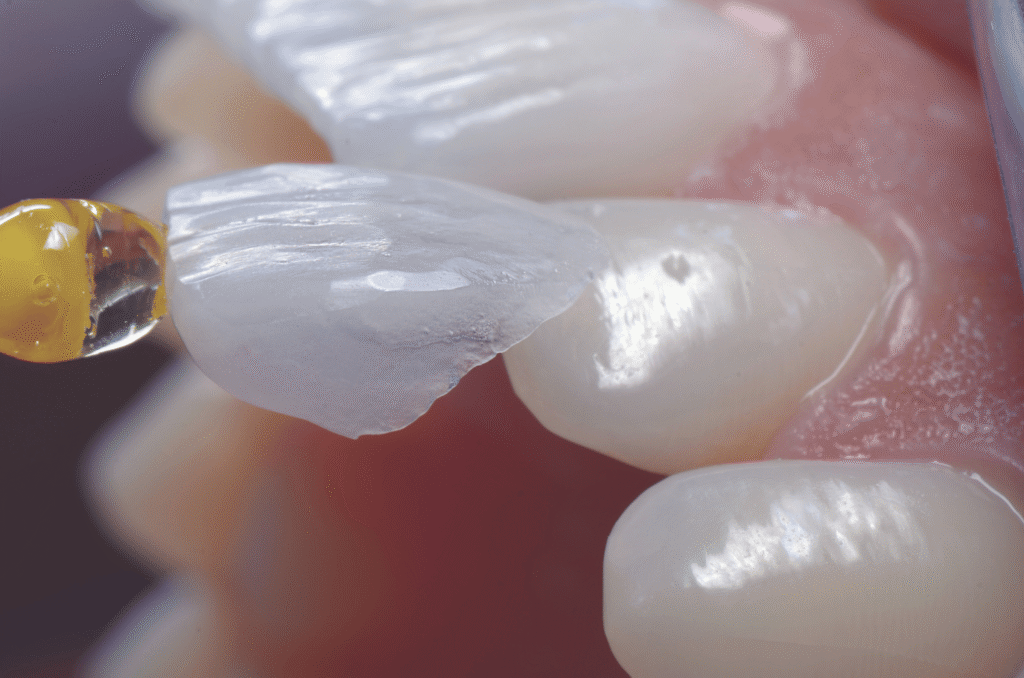
Porcelain laminates, also known as porcelain veneers or laminate veneers, are a modern cosmetic dentistry treatment that improves the aesthetic appearance of teeth by applying very thin porcelain sheets to their front surfaces.
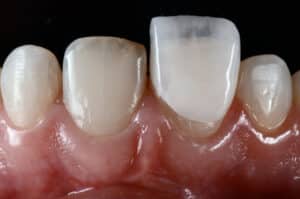
Because only a very small amount of tooth structure (on average, 0.1–0.3 mm) or none at all needs to be removed to place veneers, this is one of the most conservative (preservative) treatments available. Due to their extreme thinness, they are highly successful from an aesthetic standpoint.
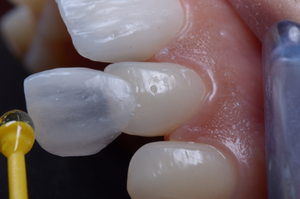
Laminate veneers have a unique ability to allow light to pass through, making the teeth they are applied to look completely natural. The light transmission of laminates varies depending on the type of porcelain used and the fabrication technique. The most popular Emax laminates are available in a wide range of shades and levels of translucency.
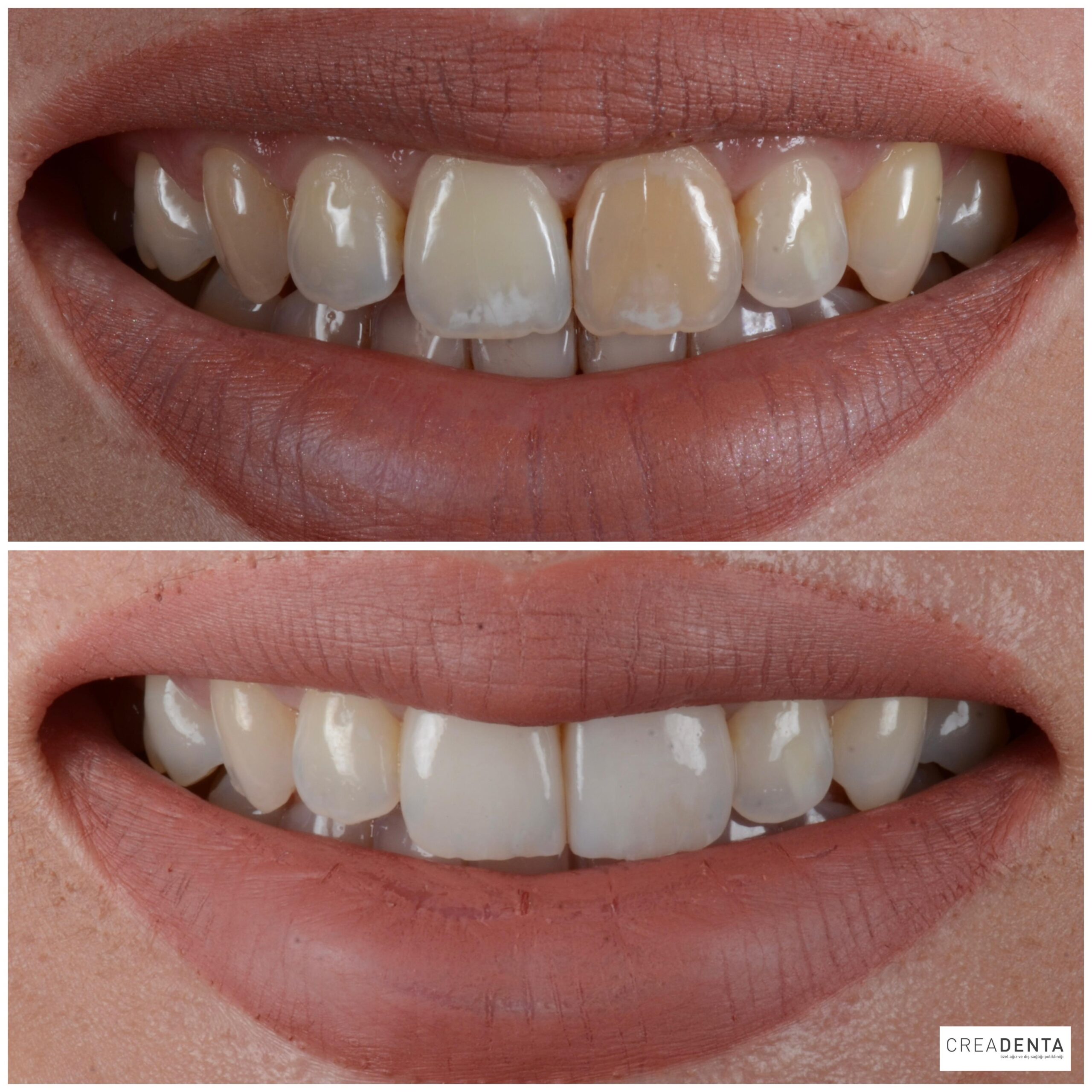
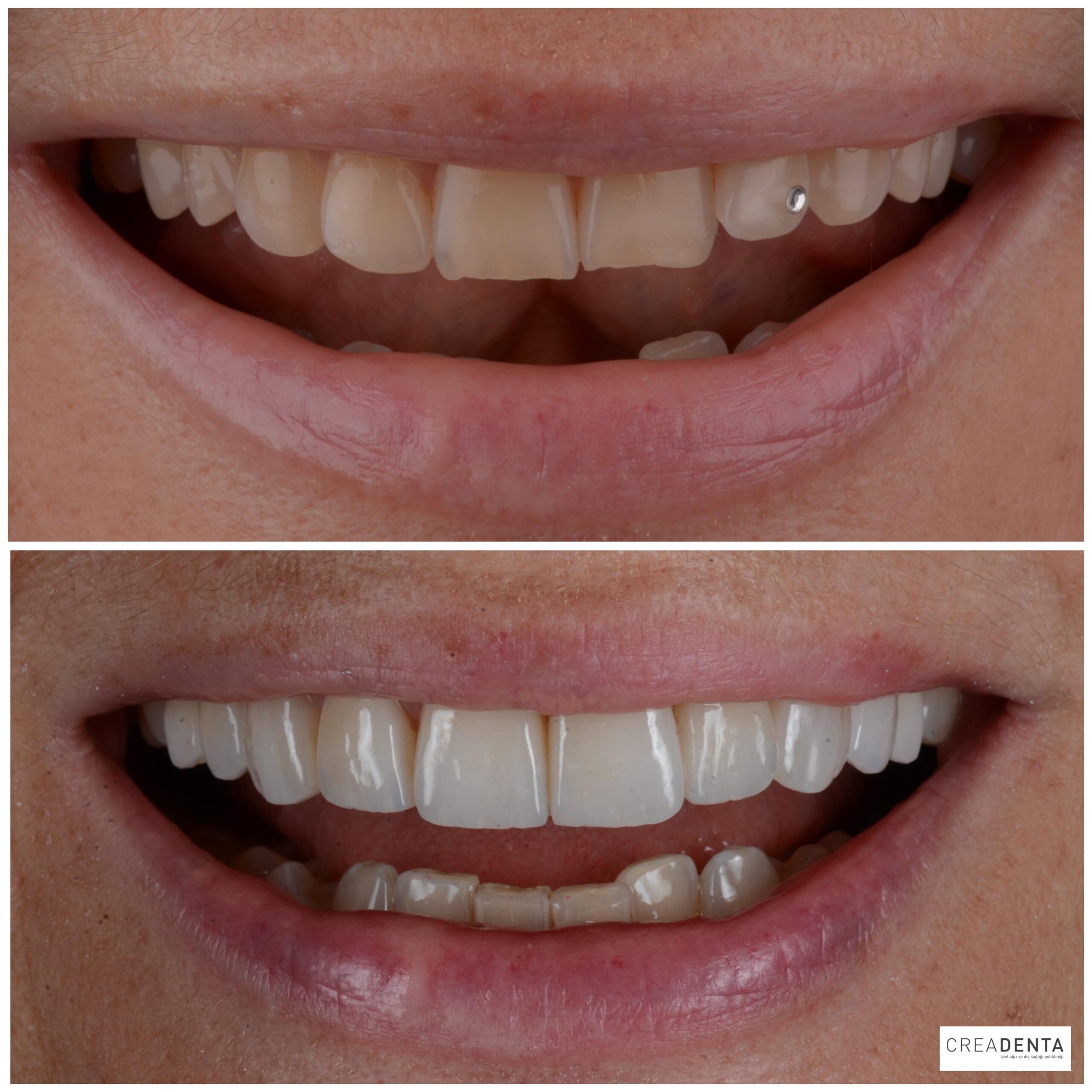
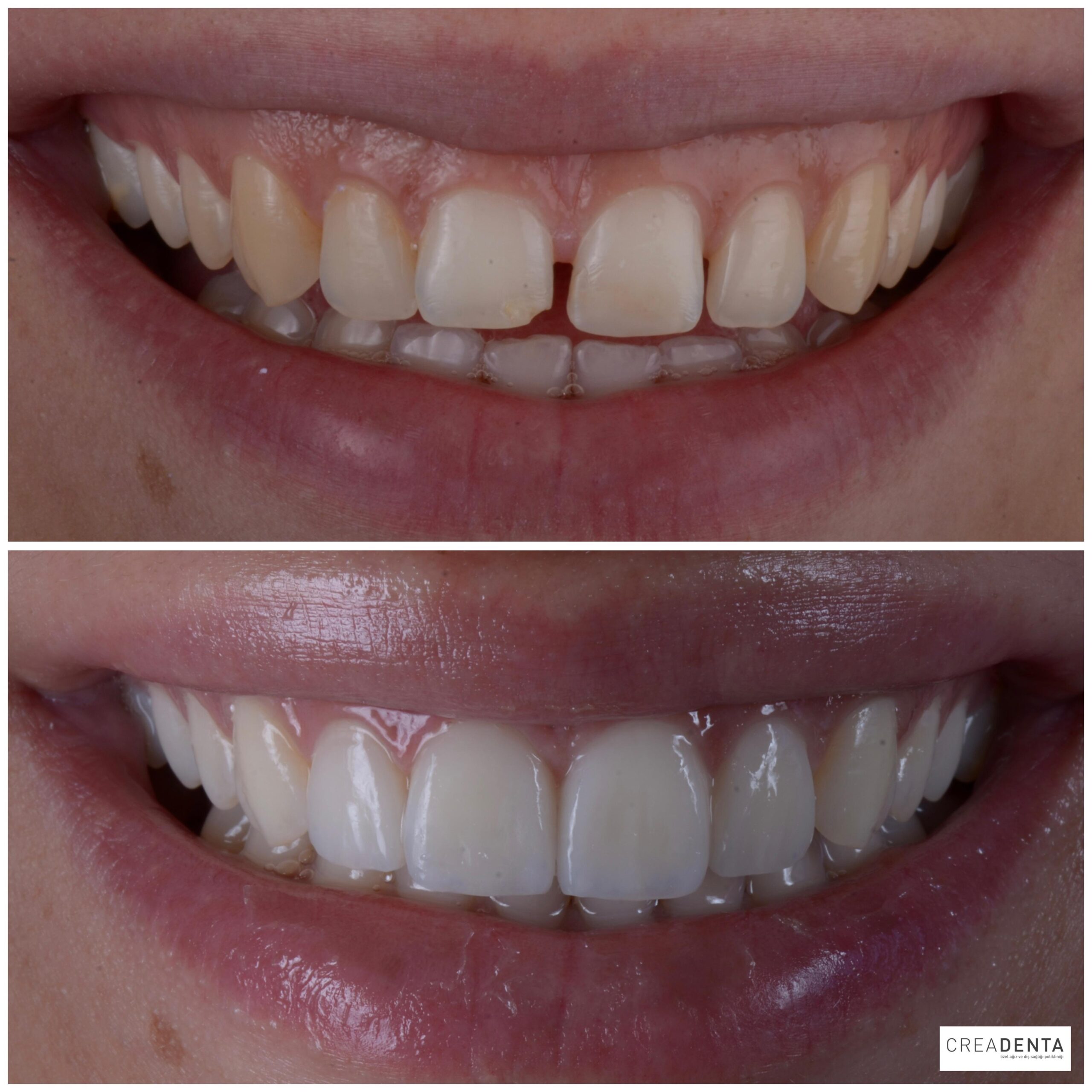
It is performed primarily on people who are dissatisfied with the color, shape, or appearance of their smile, with the goal of achieving a natural and aesthetically pleasing look.
Today, porcelain laminate veneer treatments have become one of the most popular procedures in cosmetic dentistry because they allow for aesthetic results while preserving as much tooth structure as possible.
The goal of designing a natural-looking smile is not merely to make the teeth whiter. It is important to plan a healthy, natural, and timeless smile that harmonizes with the facial structure, lip shape, facial expressions, and the individual’s natural dental characteristics.
In What Situations Are Porcelain Veneers Used?
Staining on the front teeth
Dark-colored teeth that cannot be corrected with whitening
Gaps between the teeth (diastema)
Minor complications
Broken or cracked teeth
Deformities
Worn-down teeth
Small or short teeth
The desire for a more aesthetic and natural smile
Old and unsightly fillings
Porcelain veneer treatment can resolve many cosmetic issues using minimally invasive methods.
Can Anyone Get Porcelain Veneers?
Porcelain veneers can be applied to many people who are dissatisfied with their smile. However, proper planning is crucial for long-lasting and healthy results.
In some cases, the substructure must be prepared before laminate veneer treatment.
For example:
If there is a gum problem, periodontal treatment should be performed first.
If root canal treatment is necessary, this issue must be resolved first.
If the teeth are significantly protruding or severely crooked, treatment with clear aligners may be necessary first.
For a successful cosmetic treatment, it is important to first establish a healthy foundation. Healthy gums, proper bite alignment, and balanced function are just as important as aesthetics.
Is It Possible to Get Veneers Without Grinding Down the Teeth?
The primary goal of the modern porcelain laminate veneer approach is to preserve as much of the natural tooth structure as possible, particularly the enamel layer. This is because enamel is the strongest tissue that gives the tooth its durability. When the enamel layer is preserved, the tooth remains much more resistant to chewing forces. Unnecessary tooth reduction leading to the loss of enamel tissue, however, can make the tooth more brittle and negatively affect its long-term durability. Furthermore, scientific studies show that bonding to the enamel is one of the most important factors in the long-term success of laminate veneers.
For this reason, the goal of modern cosmetic dentistry is to avoid unnecessary tooth reduction and to work entirely within the enamel as much as possible.
In some cases, “no-prep veneers” can be applied without any preparation. In other cases, however, very minimal adjustments are made to the enamel. These adjustments usually involve:
smoothing out sharp transitions,
adjustment of surface contours,
It consists of minimal procedures,
such as creating very small spaces between the teeth.
The goal is not to reduce the size of the tooth; it is to create a healthy space where the porcelain can be placed in a natural, thin, and aesthetically pleasing manner.
The fundamental principle of the minimally invasive approach is to preserve natural tooth structure. If there is severe crowding or protrusion of the teeth and it does not appear possible to preserve the enamel, clear aligner treatment can be planned first to achieve healthier and more natural results. This way, once the teeth have been moved into their ideal positions, a much more conservative laminate veneer procedure can be performed.
The goal is not merely to create an aesthetically pleasing appearance; it is to achieve long-lasting, healthy, and natural-looking results by preserving natural tooth structure.
Porcelain Veneers or Composite Veneers?
In some cases, composite bonding procedures may also be performed. However, composite materials may discolor more quickly over time, lose their luster, and wear down.
Porcelain laminates, on the other hand:
It maintains color stability for a longer period
Provides more natural light transmission
It looks more aesthetically pleasing
It is more durable
It lasts longer
How Are Natural-Looking Veneers Made?
One of the most important aspects of a successful laminate veneer treatment is a natural appearance.
Natural teeth allow light to pass through. For this reason, the translucency level of the porcelain used, its thickness, the color of the underlying tooth, and the bonding material must all be evaluated together.
Restorations that are too opaque or excessively white can often look unnatural. To achieve more natural-looking results:
facial structure,
lip support,
smile line,
the shape of the teeth,
the ratio of the face to the teeth,
age and facial expressions
They should be evaluated together.
The goal of a natural smile design is not merely to whiten the teeth; it is to create a vibrant and natural look that harmonizes with the person’s face.
Why Are Mock-Ups or Wax-Ups Important in Smile Design?
It is very important to conduct a detailed analysis before beginning porcelain veneer treatment.
In many cases, the planned new smile can be temporarily visualized in the mouth using a mock-up (shaping with composite in the mouth) and/or a wax-up (a design prepared in the laboratory). Thanks to this method:
tooth lengths,
tooth shape,
smile line,
lip support,
function,
aesthetic appearance
It can be evaluated before treatment begins.
This approach leads to more predictable outcomes for both the doctor and the patient.
Can People Who Grind Their Teeth (Bruxism) Get Laminates?
Contrary to popular belief, with proper planning, porcelain laminate veneers can be applied to patients who grind their teeth (bruxism) and in fact, their application is necessary to correct the bite.
The important thing here is:
proper planning of the closing,
the balanced distribution of chewing forces,
Proper use of the night plate.
In cosmetic dentistry, not only the appearance of the teeth but also their function and occlusion are of great importance. For this reason, during regular checkups, not only professional cleaning but also occlusion should be evaluated. This is because occlusion changes over the years.
What Should Post-Treatment Care Be Like After Laminate Treatment?
Caring for porcelain laminate veneers is no different from caring for natural teeth.
Recommended maintenance:
Regular tooth brushing
Using dental floss
A routine dental checkup every 6 months
Professional Cleaning
Use of a night guard
Regular checkups help maintain both gum health and the long-term success of dental restorations.
How Long Do Porcelain Veneers Last?
With proper planning, the right choice of materials, and good maintenance, porcelain laminate veneers can be used successfully for many years (10–30 years).
Factors affecting long-term success:
The doctor’s experience
Preservation of tooth structure
Occlusion Planning
Laboratory-grade
Bonding protocol
Regular maintenance and inspections
A successful laminate veneer treatment isn’t just about looking good; it’s about being able to use them healthily and naturally for years to come.
Why Do the Prices of Porcelain Veneer Treatments Vary?
Porcelain laminate veneer treatments can be offered at very different price ranges across different clinics. This is not solely due to the type of porcelain material used.
The way the treatment is planned, the dentist’s experience, the extent to which tooth structure is preserved, the techniques used, the quality of the laboratory work, and the aesthetic approach all directly affect the outcome.
Just as two painters using the same paints can produce completely different works of art, in porcelain laminate treatment, it is not only the material used that determines the outcome, but also the dentist’s expertise, aesthetic perspective, and attention to detail.
Laminate veneer procedures—which look natural, allow light to pass through like natural teeth, blend seamlessly with the gums, and can be used healthily for many years—require detailed analysis, precise planning, experience, and a strong technical foundation.
Why Is Proper Planning Important in Porcelain Veneer Treatment?
In cosmetic dentistry, a successful outcome is not merely about creating teeth that look beautiful.
Teeth:
harmony with the face,
lip support,
function,
chewing balance,
gum health,
natural light transmittance
It should be evaluated as a whole.
For this reason, the goal of the modern laminate veneer approach is to achieve natural and healthy results by considering aesthetics, biology, and function together.
What Treatment Do You Need?
Our team of highly skilled and meticulous doctors provides you with a safe treatment experience in a comfortable and modern clinic setting.